Preserved Through the Ages
Growing Daily
Preserved Through the Ages
“Veni, vidi, vici.” — “I came, I saw, I conquered.”
Most people recognize that famous line attributed to Julius Caesar. But how do we know he actually said it? After all, Caesar never went viral on YouTube or appeared on 60 Minutes.
It's easy to forget that our knowledge of ancient history depends largely on handwritten manuscripts passed down through the ages. But is that information really reliable?
Historians don't throw up their hands and say, "We'll never know." Instead, they carefully compare surviving manuscripts.
Take Caesar's Gallic Wars, for example. It’s considered a reliable ancient work even though only about ten manuscript copies have been found. The earliest copy dates to nearly a thousand years after the original was written.
Now compare that with the New Testament.
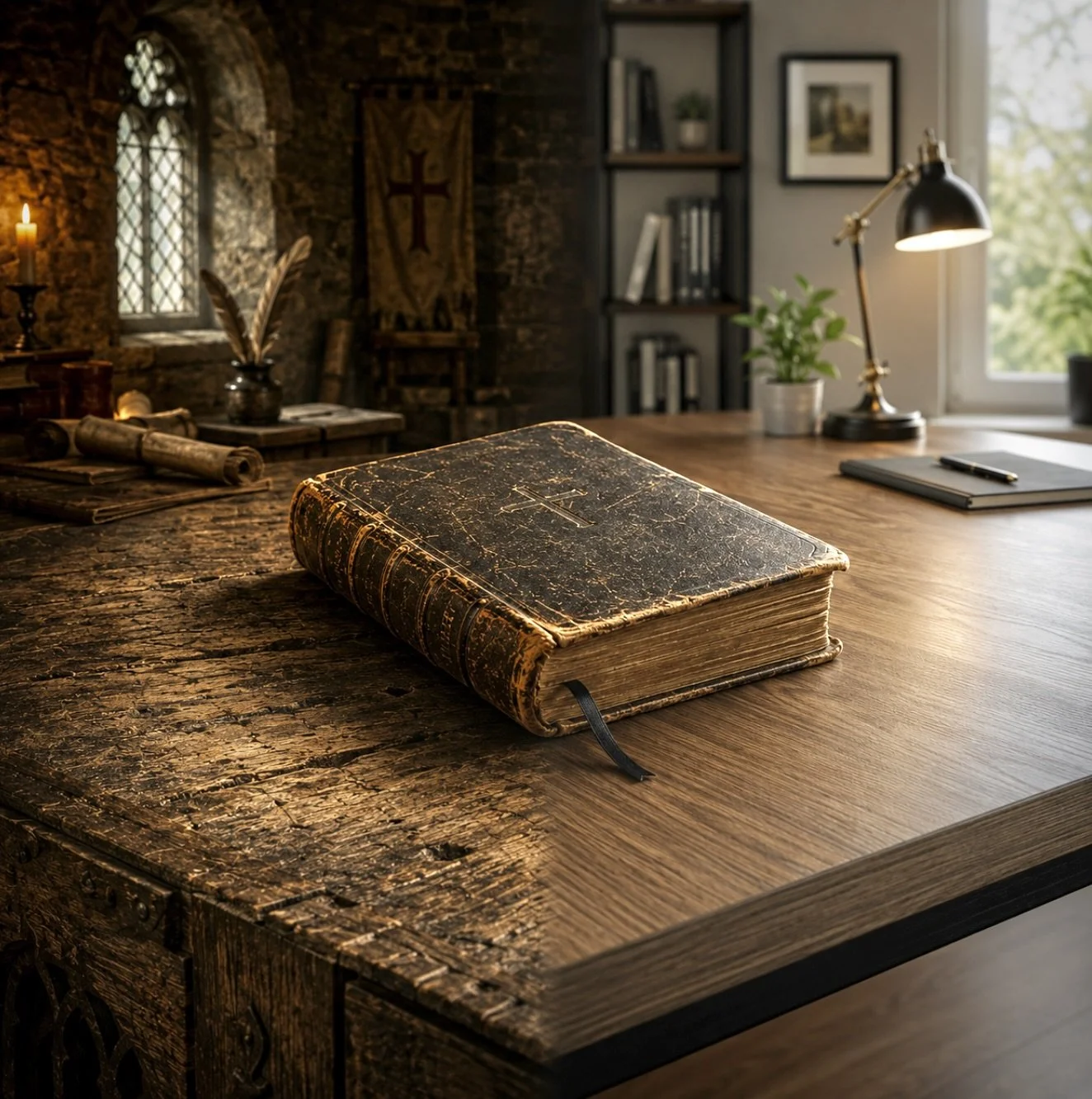
Instead of only ten manuscripts, the New Testament is supported by more than 24,000 ancient manuscripts and translations. And instead of a gap measured in centuries, some parts date to within decades of the original writing.
No other work from the ancient world comes remotely close to this level of manuscript support.
It's OK to ask questions about the Bible, but don’t let uninformed skepticism shake your confidence in Scripture. Through centuries of wars, persecution, and decay, God has faithfully preserved His Word so that the truth we read today is the same truth first written long ago.
"The grass withers and the flowers fade, but the word of our God stands forever." (Isaiah 40:8)
- Ron Reid
For further study on this important subject, visit this page in our Christian Evidences Course.